Happy New Year 2025 SVG Review
First Impressions of Happy New Year 2025 SVG
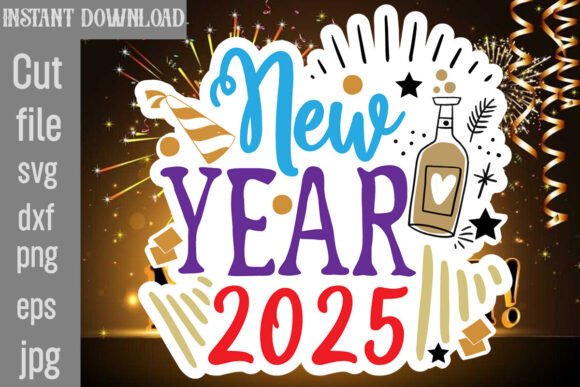
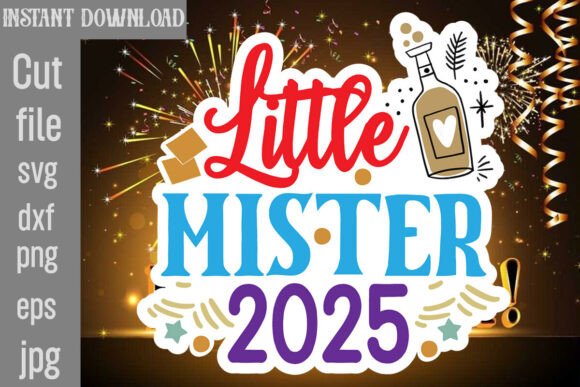
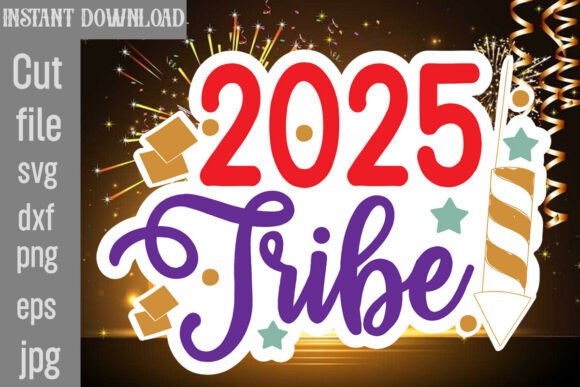
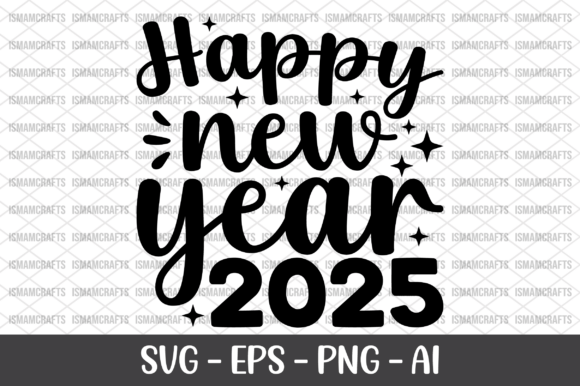
When I first opened the Happy New Year 2025 SVG file, I was struck by its clean, modern aesthetic. The design has a cheerful and festive vibe that immediately suggests it’s meant for holiday use. The layout is balanced, with bold typography and subtle decorative elements that don’t overwhelm the overall composition. It feels like a design that could work well on a variety of surfaces, from apparel to home decor.
The level of detail is just right—enough to make the design stand out without being too intricate for most embroidery machines. The visual personality of the design is friendly and approachable, which makes it ideal for handmade products, personalized gifts, or holiday-themed items. It seems like it would fit naturally into a craft business or an Etsy shop looking to offer seasonal items.
Real-World Use Cases for Happy New Year 2025 SVG
I imagine using this design on a custom embroidered tote bag for a small shop product. The size and shape of the design would work well on a medium-sized hoop, making it accessible for both beginners and experienced embroiderers. It could also be used as a sweatshirt embroidery, especially for a boutique brand looking to create a limited-edition holiday collection.
For baby items, the design might need some adjustments—like simplifying certain elements to avoid tiny details that could be hard to stitch. However, the overall look would still be appealing for a nursery wall hanging or a baby onesie. On a cap or hat, the design would likely hold up well, provided the hoop size is appropriate and the fabric isn’t too stretchy.
As a digital product, Happy New Year 2025 SVG could be used in printable mockups or as part of a downloadable design pack for crafters. It’s versatile enough to work on a range of projects, from kitchen towels to pillow covers, as long as the user takes care with the technical aspects of the embroidery process.
Where to Use Happy New Year 2025 SVG with Caution
One area where this design might require more attention is when working with small hoop sizes. If the hoop is too tight, certain parts of the design could get distorted or misaligned during stitching. For textured fabrics, like denim or canvas, the design might not show up as clearly as it would on a smooth material. Thin or stretchy fabrics could also pose challenges, especially if the design includes dense stitch areas.
On dark fabrics, the contrast between the thread colors and the background may need careful consideration. If the design uses light-colored threads, they might not stand out as well on black or navy backgrounds. Similarly, if the design includes detailed corners or tiny lettering, those elements could be lost if the stitch density is too low or if the stabilizer isn’t properly applied.
For layered garments or curved surfaces, such as caps or patches, the design might need some tweaking to ensure it sits correctly on the final product. It’s always a good idea to test the design on scrap fabric before committing to a full project, especially if you’re using it for commercial purposes or client work.
Impact on Visual Appeal and Customer Perception
Happy New Year 2025 SVG has the potential to add a professional touch to any handmade product or custom apparel. Its clear lines and structured layout make it easy to recognize, which is important for brand consistency and customer trust. When stitched well, it can elevate the value of a finished product, making it more attractive to buyers looking for quality and style.
For an Etsy seller or small shop owner, this design could be a great addition to a holiday collection. It’s giftable, recognizable, and visually appealing, which are all key factors in driving buyer engagement. Whether used on a personalized gift or a commercial product, the design maintains a sense of authenticity that resonates with handmade enthusiasts.
However, the success of the design ultimately depends on how it’s executed. Poor stitching, incorrect thread colors, or improper stabilizer use could detract from the overall look. As a designer, I always recommend testing the design in different scenarios to see how it performs under real-world conditions.
Practical Tips for Embroidery Designers
If you’re planning to use Happy New Year 2025 SVG in your next project, start by testing it on scrap fabric. This will help you assess how the design looks in different thread colors and on various fabric types. Pay close attention to the stitch density—too high, and the design may become stiff; too low, and it may look incomplete.
Check the hoop size to make sure the design fits comfortably. If it doesn’t, consider resizing or splitting the design into smaller sections. Inspect the small details carefully, especially if the design includes fine lines or delicate elements. These can sometimes be lost during the embroidery process if not handled properly.
It’s also a good idea to test the design in black and white mockups to see how it translates without color. This can help you identify any issues with contrast or clarity. Compare it on both light and dark fabric backgrounds to ensure it remains visible and effective in all contexts.
Finally, confirm that the design is suitable for both personal and commercial use. Make sure you understand the licensing terms before selling finished items or digital products. Proper stabilizer use is essential, especially for tricky fabrics or complex designs. With these considerations in mind, Happy New Year 2025 SVG can be a valuable addition to your embroidery toolkit.